




What the Irish figures actually say
The CSO’s 2025 enterprise survey, published on 6 February 2026, reports AI use by 20.2% of enterprises in its coverage. The figures differ by size: 57.7% of large enterprises, 28.6% of medium enterprises and 17.2% of small enterprises reported using AI.
The survey background notes matter. Coverage includes enterprises with ten or more persons engaged in manufacturing, construction and selected services. These percentages should not be presented as adoption rates for every sole trader or microbusiness in Ireland.
The figures describe reported use, not the return each business earned. They are useful context for a conversation about capability. They do not tell a five-person Cork firm which tool to buy or which process to change.
Start with a task the team can recognise
A good first candidate happens often, has a clear owner and produces an outcome you can inspect. Drafting responses from an approved service policy may fit. Making binding promises from incomplete information usually needs a narrower scope.
- A sales team: prepare a draft follow-up from notes and an agreed template.
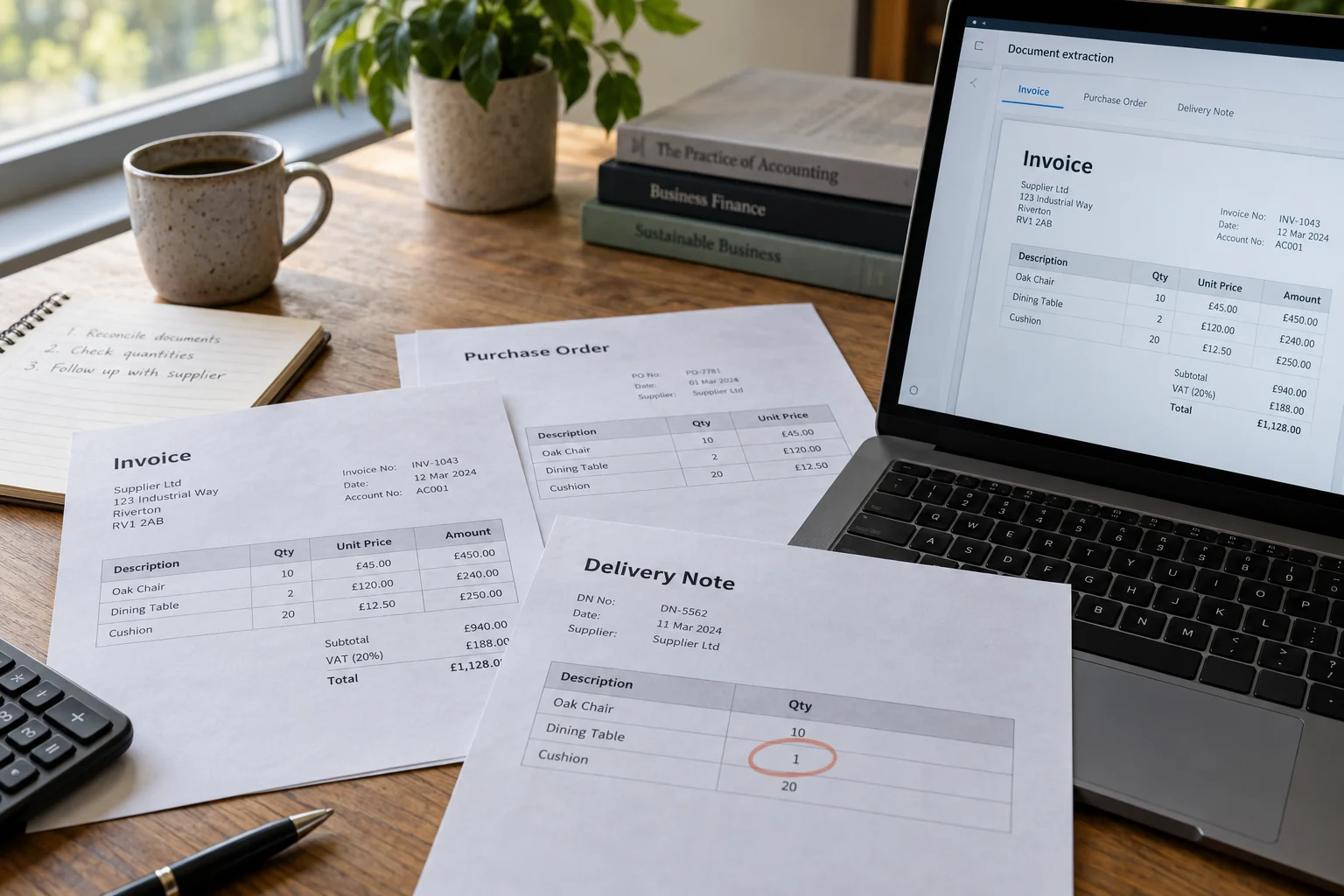
- An operations team: extract delivery details into a review queue.
- A service team: identify the right knowledge article and suggest a reply.
- An owner: create a first weekly summary from a defined set of reports.
These are suggested pilot candidates, not guaranteed savings. Ask the people doing the work where they retype information, wait for an answer or correct avoidable mistakes. Their explanation often reveals an integration problem that should be fixed before adding a model.
A 30-day pilot you can actually review
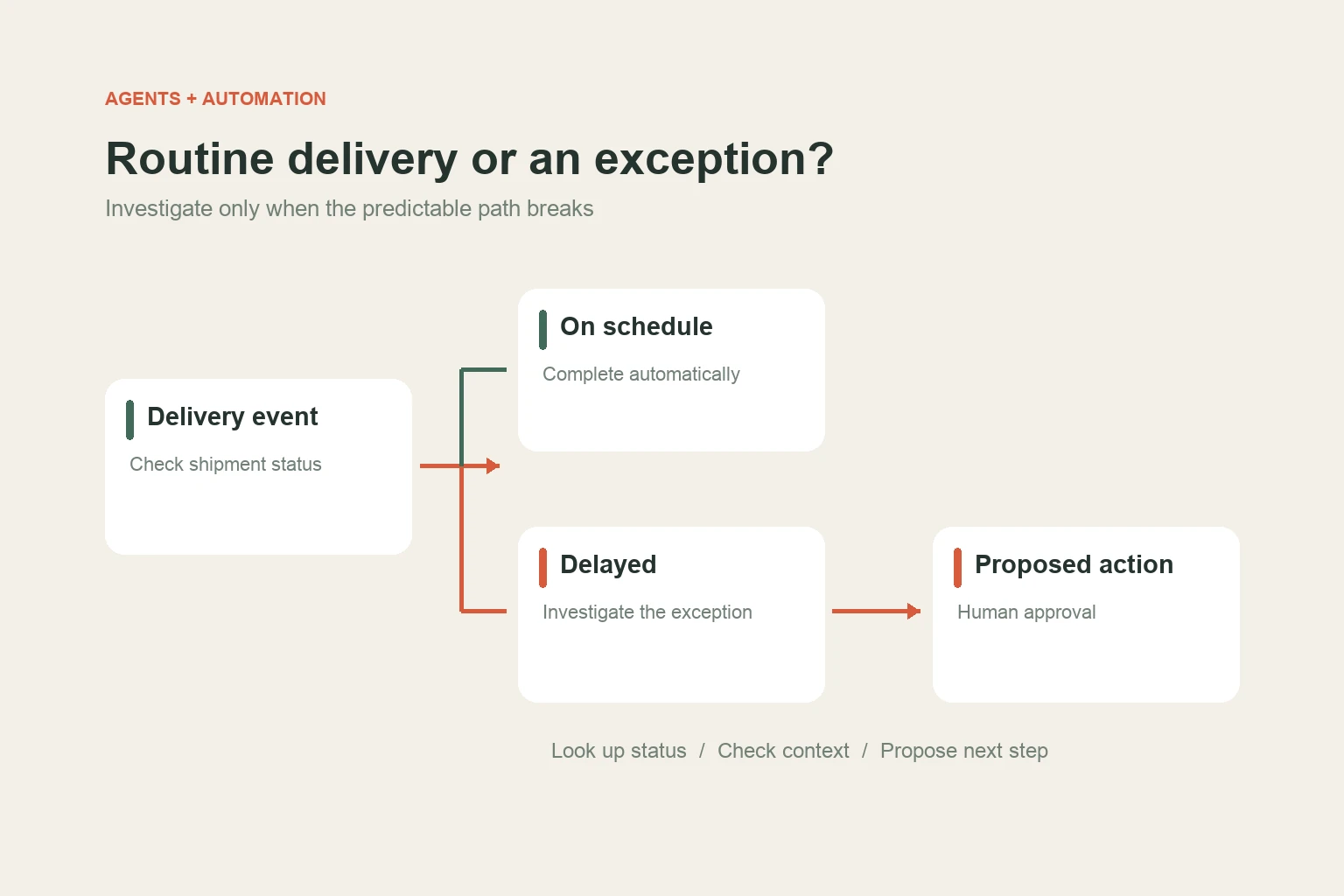
Keep the first version small enough that you can stop it without disrupting the business. Saving a draft is easier to trial than sending it. Preparing a proposed record is easier to inspect than changing a live customer account.
Give staff time to try the process during normal work. A demonstration followed by no practice rarely tells you whether the workflow is useful. Have someone available to answer what the tool can see, what it is allowed to do and when the person should take over.
Measure the team outcome, not just model speed
Microsoft’s 2026 Work Trend Index draws on a survey of 20,000 workers who use AI across ten markets, plus Microsoft product signals. Its organisational emphasis is a useful reminder that adoption includes work design and team habits. It is vendor research, not a representative survey of Irish SMEs.
For your own trial, track the whole task. Include preparation, checking, corrections and any new administration. If drafting takes thirty seconds but review takes longer than writing the original reply, the model’s speed has not improved the process.
Use a simple review sheet with the case type, time spent, whether the output was accepted, what changed and the final outcome. Ask staff whether the trial reduced interruptions or introduced another queue. Those observations can explain numbers that look promising but do not feel useful.
Decide what to do next
At the end of the month, choose one of three actions: continue the same small scope, improve a specific weakness, or stop. A stopped trial can be useful if it exposes unclear data or an unsuitable task before you commit to a larger build.
If you continue, assign an owner for the instructions, approved source material and change log. Agree how the team reports mistakes. Keep a working manual route so an outage does not leave customers waiting.
For the next conversation, bring three representative cases and the review sheet. Our AI training for teams focuses on applying tools to the work people already do.
Sources and further reading
Primary sources checked on 3 October 2026. Product announcements describe vendor plans and capabilities; availability and results depend on the implementation.
- CSO: Enterprise use of artificial intelligence, 2025
6 February 2026 - CSO: Survey background and coverage
2025 survey - Microsoft: 2026 Work Trend Index
5 May 2026